
0 item(s)
View cart
You have no items in your shopping cart.
Corporate coffee loves a clean label. Slap a buzzword on the bag, call it premium, and hope nobody asks questions. But if you actually care what ends up in your cup, what is organic coffee is a fair question - and the answer goes deeper than a sticker on the front.
Organic coffee is coffee grown without most synthetic pesticides, herbicides, and chemical fertilizers. It comes from farms that follow specific agricultural standards designed to protect soil health, biodiversity, and long-term growing conditions. For coffee sold as certified organic in the US, those farms and supply chains also have to meet formal certification rules.
That sounds straightforward, but coffee is never just one thing. How it’s grown matters. How it’s processed matters. How it’s roasted matters too. Organic tells you something meaningful about the farming side, but it does not automatically mean the coffee will taste better, be fresher, or match your roast preference. That’s where people get tripped up.
At the farm level, organic coffee is produced using methods that work with the land instead of hammering it into submission with synthetic inputs. Farmers typically rely on compost, natural fertilizers, shade management, crop rotation where possible, and biological methods for pest control. The goal is not just to avoid chemicals. It is to build a healthier ecosystem that can keep producing quality coffee over time.
For a bag of coffee to carry an organic certification in the US, everyone in the chain handling it as organic has to play by the rules. That includes farms, processors, and roasters. Recordkeeping, inspections, and separation from non-organic product all matter. This is why certified organic coffee usually costs more. You are paying for tighter standards, more labor-intensive growing practices, and documented compliance.
There is also a difference between coffee that is grown with organic practices and coffee that is officially certified organic. Some small farms may use responsible methods but skip certification because it is expensive, time-consuming, or hard to maintain. That does not automatically make their coffee worse. It just means the claim has not gone through the formal system.
Organic coffee means the beans were grown under standards that restrict synthetic agricultural chemicals. It can also suggest stronger stewardship of the land, especially on farms that use shade cover and soil-building practices.
What it does not mean is simple. It does not guarantee elite quality. It does not guarantee ethical labor practices. It does not guarantee the coffee is mold-free, low acid, stronger in caffeine, or roasted fresh. And it definitely does not mean every organic bag will taste amazing.
That last part matters. Plenty of people buy organic expecting a better cup, then wonder why it tastes flat. The reason is simple. Organic farming and great flavor often go well together, but they are not the same thing. Flavor still depends on varietal, elevation, harvest timing, processing method, roast profile, and how long the coffee sat around after roasting.
So if your standard is not just clean farming but a seriously good cup, organic should be one filter, not the only filter.
Some buyers care most about reducing exposure to chemical residues and supporting cleaner agricultural methods. Others are focused on environmental impact. Coffee is one of the most chemically treated crops in parts of the world, so the idea of backing farms that use fewer synthetic inputs makes sense.
There is also the soil argument, and it is a strong one. Healthy soil tends to support healthier plants, and healthier plants often produce better fruit. Coffee beans are seeds from a fruit. Better growing conditions can support more balanced development in the cherry, which can show up in the cup as clearer flavor and better structure. That does not happen by magic, and it does not happen every time, but the connection is real.
Then there is the independent buyer mindset. If you are already tired of stale, over-marketed, mass-produced coffee, organic often fits into a bigger decision. You want a product that was handled with more care from the ground up. Not fake premium. Not warehouse coffee in patriotic packaging. The real thing.
Sometimes yes. Sometimes no. That is the honest answer.
Organic coffee can taste excellent because many organic farms emphasize slower, more careful growing methods. Shade-grown environments, healthier soil, and attention to plant health can support complexity and sweetness. But if the beans are poorly processed, badly roasted, or stale by the time they reach you, the organic label will not save the cup.
On the other side, some non-organic coffees taste incredible because they come from skilled producers using strong agronomy and precise processing. Organic is not the sole marker of quality. It is one part of the story.
If flavor is your top priority, look at the full picture. Roast date matters. Origin matters. Roast style matters. A great organic light roast will show off nuance and brightness, while a great organic dark roast should still carry body and depth without tasting burnt into oblivion. The bean should still taste like a bean, not like carbon.
The difference starts at the farm. Regular coffee may be grown with synthetic fertilizers, herbicides, and pesticides, depending on local practices and regulations. Organic coffee cannot rely on those same tools if it wants certified status.
That choice affects cost, labor, and risk. Organic farming can be harder because growers have fewer shortcuts when pests hit or yields drop. That often means more hands-on work and lower production efficiency. Those realities are part of why organic coffee usually costs more at retail.
For the buyer, the trade-off is fairly clear. Regular coffee may be cheaper and easier to find. Organic coffee may align better with your standards for farming and environmental care. Whether the difference is worth paying for depends on what you value and how much you care about the production side of the product.
The word organic gets thrown around loosely, so certification matters because it creates an actual standard. In the US, certified organic products have to meet regulated requirements. That gives you more than a marketing claim. It gives you traceability and accountability.
Still, certification is not flawless. It can be expensive for small producers, and that cost can keep good farms out of the system. So while certified organic is the clearest signal, it is not the only sign that a producer is doing things the right way.
This is where buying from a brand that cares about sourcing and freshness matters. A serious coffee company should be able to tell a cleaner, more complete story than just waving the organic flag and moving on.
Start with freshness. If there is no roast date, think twice. Organic beans that sat on a shelf for months are still stale beans.
Next, choose the roast profile that actually fits how you drink coffee. If you like bold, heavy body, go dark. If you want more origin character, go medium or light. Organic coffee is not a flavor category. It is a farming category. You still need to buy for taste.
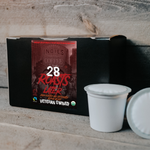
Then look at format. Whole bean is best if you grind at home. Ground coffee is convenient if you move fast in the morning. K-Cups and cold brew packs can still make sense if convenience is non-negotiable. The right coffee is the one you will actually use consistently, not the one that sounds impressive in theory.
It also helps to buy from roasters that do not hide behind vague language. You want specifics. Roast level, tasting notes, sourcing standards, and a clear sense that somebody on the other end actually gives a damn. Indies Coffee, for example, builds its lineup around organic beans and roast freshness because clean farming means more when the final cup still hits with real flavor.
If you want coffee grown with stricter standards and fewer synthetic chemicals, yes, it can absolutely be worth it. If you also care about environmental pressure, soil health, and supporting a less industrial approach to agriculture, the value gets even clearer.
If your only goal is finding the cheapest possible caffeine delivery system, probably not. Organic coffee asks you to care how the product was grown, not just how fast it gets you moving.
That is the real split. Organic coffee is for people who think the details matter. Not because they want a trendy label, but because they want a better standard. And once you know what is actually behind the term, you can buy with more confidence and less nonsense.
The best cup is not just organic. It is organic, fresh, roasted with intent, and matched to how you actually like to drink coffee. That is where the label stops being marketing and starts meaning something in the mug.
Corporate coffee loves a clean label. Slap a buzzword on the bag, call it premium, and hope nobody asks questions. But if you actually care what ends up in your cup, what is organic coffee is a fair question - and the answer goes deeper than a sticker on the front.
Organic coffee is coffee grown without most synthetic pesticides, herbicides, and chemical fertilizers. It comes from farms that follow specific agricultural standards designed to protect soil health, biodiversity, and long-term growing conditions. For coffee sold as certified organic in the US, those farms and supply chains also have to meet formal certification rules.
That sounds straightforward, but coffee is never just one thing. How it’s grown matters. How it’s processed matters. How it’s roasted matters too. Organic tells you something meaningful about the farming side, but it does not automatically mean the coffee will taste better, be fresher, or match your roast preference. That’s where people get tripped up.
At the farm level, organic coffee is produced using methods that work with the land instead of hammering it into submission with synthetic inputs. Farmers typically rely on compost, natural fertilizers, shade management, crop rotation where possible, and biological methods for pest control. The goal is not just to avoid chemicals. It is to build a healthier ecosystem that can keep producing quality coffee over time.
For a bag of coffee to carry an organic certification in the US, everyone in the chain handling it as organic has to play by the rules. That includes farms, processors, and roasters. Recordkeeping, inspections, and separation from non-organic product all matter. This is why certified organic coffee usually costs more. You are paying for tighter standards, more labor-intensive growing practices, and documented compliance.
There is also a difference between coffee that is grown with organic practices and coffee that is officially certified organic. Some small farms may use responsible methods but skip certification because it is expensive, time-consuming, or hard to maintain. That does not automatically make their coffee worse. It just means the claim has not gone through the formal system.
Organic coffee means the beans were grown under standards that restrict synthetic agricultural chemicals. It can also suggest stronger stewardship of the land, especially on farms that use shade cover and soil-building practices.
What it does not mean is simple. It does not guarantee elite quality. It does not guarantee ethical labor practices. It does not guarantee the coffee is mold-free, low acid, stronger in caffeine, or roasted fresh. And it definitely does not mean every organic bag will taste amazing.
That last part matters. Plenty of people buy organic expecting a better cup, then wonder why it tastes flat. The reason is simple. Organic farming and great flavor often go well together, but they are not the same thing. Flavor still depends on varietal, elevation, harvest timing, processing method, roast profile, and how long the coffee sat around after roasting.
So if your standard is not just clean farming but a seriously good cup, organic should be one filter, not the only filter.
Some buyers care most about reducing exposure to chemical residues and supporting cleaner agricultural methods. Others are focused on environmental impact. Coffee is one of the most chemically treated crops in parts of the world, so the idea of backing farms that use fewer synthetic inputs makes sense.
There is also the soil argument, and it is a strong one. Healthy soil tends to support healthier plants, and healthier plants often produce better fruit. Coffee beans are seeds from a fruit. Better growing conditions can support more balanced development in the cherry, which can show up in the cup as clearer flavor and better structure. That does not happen by magic, and it does not happen every time, but the connection is real.
Then there is the independent buyer mindset. If you are already tired of stale, over-marketed, mass-produced coffee, organic often fits into a bigger decision. You want a product that was handled with more care from the ground up. Not fake premium. Not warehouse coffee in patriotic packaging. The real thing.
Sometimes yes. Sometimes no. That is the honest answer.
Organic coffee can taste excellent because many organic farms emphasize slower, more careful growing methods. Shade-grown environments, healthier soil, and attention to plant health can support complexity and sweetness. But if the beans are poorly processed, badly roasted, or stale by the time they reach you, the organic label will not save the cup.
On the other side, some non-organic coffees taste incredible because they come from skilled producers using strong agronomy and precise processing. Organic is not the sole marker of quality. It is one part of the story.
If flavor is your top priority, look at the full picture. Roast date matters. Origin matters. Roast style matters. A great organic light roast will show off nuance and brightness, while a great organic dark roast should still carry body and depth without tasting burnt into oblivion. The bean should still taste like a bean, not like carbon.
The difference starts at the farm. Regular coffee may be grown with synthetic fertilizers, herbicides, and pesticides, depending on local practices and regulations. Organic coffee cannot rely on those same tools if it wants certified status.
That choice affects cost, labor, and risk. Organic farming can be harder because growers have fewer shortcuts when pests hit or yields drop. That often means more hands-on work and lower production efficiency. Those realities are part of why organic coffee usually costs more at retail.
For the buyer, the trade-off is fairly clear. Regular coffee may be cheaper and easier to find. Organic coffee may align better with your standards for farming and environmental care. Whether the difference is worth paying for depends on what you value and how much you care about the production side of the product.
The word organic gets thrown around loosely, so certification matters because it creates an actual standard. In the US, certified organic products have to meet regulated requirements. That gives you more than a marketing claim. It gives you traceability and accountability.
Still, certification is not flawless. It can be expensive for small producers, and that cost can keep good farms out of the system. So while certified organic is the clearest signal, it is not the only sign that a producer is doing things the right way.
This is where buying from a brand that cares about sourcing and freshness matters. A serious coffee company should be able to tell a cleaner, more complete story than just waving the organic flag and moving on.
Start with freshness. If there is no roast date, think twice. Organic beans that sat on a shelf for months are still stale beans.
Next, choose the roast profile that actually fits how you drink coffee. If you like bold, heavy body, go dark. If you want more origin character, go medium or light. Organic coffee is not a flavor category. It is a farming category. You still need to buy for taste.
Then look at format. Whole bean is best if you grind at home. Ground coffee is convenient if you move fast in the morning. K-Cups and cold brew packs can still make sense if convenience is non-negotiable. The right coffee is the one you will actually use consistently, not the one that sounds impressive in theory.
It also helps to buy from roasters that do not hide behind vague language. You want specifics. Roast level, tasting notes, sourcing standards, and a clear sense that somebody on the other end actually gives a damn. Indies Coffee, for example, builds its lineup around organic beans and roast freshness because clean farming means more when the final cup still hits with real flavor.
If you want coffee grown with stricter standards and fewer synthetic chemicals, yes, it can absolutely be worth it. If you also care about environmental pressure, soil health, and supporting a less industrial approach to agriculture, the value gets even clearer.
If your only goal is finding the cheapest possible caffeine delivery system, probably not. Organic coffee asks you to care how the product was grown, not just how fast it gets you moving.
That is the real split. Organic coffee is for people who think the details matter. Not because they want a trendy label, but because they want a better standard. And once you know what is actually behind the term, you can buy with more confidence and less nonsense.
The best cup is not just organic. It is organic, fresh, roasted with intent, and matched to how you actually like to drink coffee. That is where the label stops being marketing and starts meaning something in the mug.